
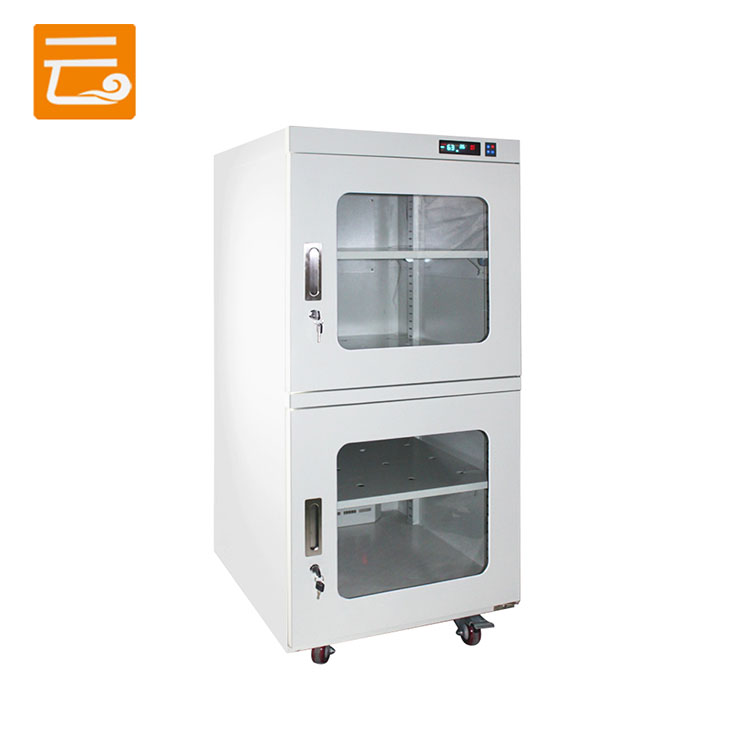
In Singapore’s tropical climate, where high humidity levels pose significant challenges to the preservation of sensitive materials, effective storage solutions are more important than ever. Among these, dry cabinets have emerged as an essential tool to protect valuable items from moisture damage. As demand for reliable humidity control rises, understanding the pricing and technology behind dry cabinets provides valuable insight for industries and consumers alike.
Dry cabinets are specialized storage units designed to maintain a low-humidity environment, protecting items such as electronics, semiconductors, pharmaceuticals, optical instruments, and precision tools. By creating an airtight space with regulated humidity, these cabinets prevent corrosion, mold, and degradation caused by moisture exposure. For businesses dealing with sensitive components, maintaining product integrity is critical, making dry cabinets a worthy investment.
**The Growing Market and Price Considerations**
In Singapore, the price of dry cabinets varies widely depending on capacity, features, and technology. Entry-level models, suitable for personal or small-scale use, often start from several hundred Singapore dollars. Larger commercial-grade units with advanced humidity control systems can cost several thousand dollars.
Several key factors influence dry cabinet pricing:
1. **Capacity and Size**: Cabinets range from compact models holding a few liters to large-scale units capable of storing extensive inventory. Naturally, larger cabinets command higher prices.
2. **Humidity Control Technology**: Basic models use desiccants or silica gel, requiring manual replacement, whereas advanced systems include electronic humidity sensors and automated drying mechanisms that maintain consistent conditions with minimal maintenance.
3. **Build Quality and Materials**: Durable construction materials and features such as airtight seals, adjustable shelving, and digital control panels add to overall cost but significantly enhance performance and user experience.
4. **Brand and Service Support**: Well-established manufacturers often offer warranties, after-sales service, and customized solutions, which can justify premium pricing.
For corporations in industries such as pharmaceuticals, electronics, semiconductors, and packaging, investing in high-quality dry cabinets is crucial. The initial cost offsets the losses related to moisture-damaged goods, production delays, and compromised quality.
**Yunboshi Technology: Pioneering Humidity Control Engineering**
Among the innovators leading the humidity control market in Singapore and beyond is Yunboshi Technology. With over a decade of expertise in drying technology development, Yunboshi Technology has positioned itself as a leading player in humidity control engineering.
Since its founding, Yunboshi Technology has focused intensely on research and development to create cutting-edge humidity control solutions. Their approach integrates advanced drying technologies tailored for diverse sectors including pharmaceuticals, electronics, semiconductors, and packaging.
Yunboshi’s solutions are characterized by:
- **Precision Humidity Regulation**: Utilizing sophisticated sensors and control algorithms, their systems maintain stable humidity levels with minimal fluctuations, crucial for sensitive applications.
- **Energy Efficiency**: Their designs optimize power consumption, reducing operating costs while sustaining consistent performance.
- **User-Friendly Interfaces**: Digital monitoring and control panels allow users to easily customize settings and receive real-time feedback.
- **Customization and Scalability**: Yunboshi offers solutions ranging from compact storage units to large industrial-scale humidity control systems, matching varied client requirements.
The company’s strong commitment to innovation and quality control has earned it a reputation for reliability. Many businesses in Singapore’s high-tech manufacturing and pharmaceutical sectors trust Yunboshi Technology for their humidity control needs.
**Impact on Singapore’s Key Industries**
Singapore’s status as a global hub for electronics manufacturing, pharmaceutical production, and semiconductor assembly heightens the demand for advanced humidity management. Moisture control is critical at several stages, from raw material storage to final product packaging.
- **Pharmaceutical Industry**: Moisture can degrade drug efficacy and stability. Dry cabinets and humidity control solutions ensure that active ingredients and finished products remain safe and effective throughout the supply chain.
- **Electronics and Semiconductors**: Components such as printed circuit boards, chips, and sensors are extremely sensitive to moisture, which can cause corrosion and failure. Reliable humidity control extends product life and enhances manufacturing yields.
- **Packaging Industry**: Protective packaging materials themselves must be stored in controlled environments to maintain quality and performance. Humidity control prevents premature deterioration.
By providing state-of-the-art dry cabinets and humidity control systems, companies like Yunboshi Technology not only safeguard product integrity but also help clients comply with stringent regulatory standards. This ultimately supports Singapore’s position as a high-quality manufacturing and export center.
**Consumer Awareness and Future Trends**
As humidity control technology evolves, consumers and businesses alike are becoming more discerning about their choices. Beyond just price, factors such as environmental sustainability, automation, and integration with smart factory systems are influencing purchasing decisions.
Emerging trends in the dry cabinet market include:
- **IoT-Enabled Monitoring**: Integration with internet-of-things platforms allows for remote monitoring and control, predictive maintenance, and data analytics.
- **Sustainable Materials and Energy Usage**: Manufacturers are developing eco-friendly components and improving energy efficiency, aligning with global green initiatives.
- **Enhanced Mobility and Versatility**: Modular and portable dry cabinets are gaining traction for flexible storage needs.
Yunboshi Technology continues to invest in such innovations, reflecting a forward-looking approach that anticipates market needs and technological advancements.
**Conclusion**
In Singapore’s humid environment, maintaining strict humidity control is indispensable for multiple industries. While dry cabinet prices vary by technology and capacity, investing in high-performance systems is essential to protect sensitive products from moisture damage. Yunboshi Technology stands out as a leader in this space, leveraging over ten years of expertise in drying and humidity control engineering to deliver reliable, energy-efficient, and tailored solutions.
As awareness of the critical role played by humidity control grows, and as technology advances, the dry cabinet market in Singapore is set to expand further. Businesses aiming to safeguard quality, reduce losses, and enhance operational efficiency would do well to consider these innovative humidity control solutions.